


Monsoon can quietly damage your home – causing damp walls, musty smells, leakage, fungus, and moisture-related issues. If ignored, these problems get worse over time and affect both your space and health.
That’s why proper monsoon home maintenance becomes extremely important, especially in Indian homes where humidity and seepage are common during rainy season. Instead of generic advice, this guide focuses on practical solutions that homeowners can actually follow to deal with wall fungus and moisture problems effectively.
First – What Exactly Are You Dealing With?
From experience, this is what matters before fixing anything:
You need to identify the real problem first.
Because dampness, smell, fungus, leakage – they’re all connected, but not the same.
Here’s how I usually figure it out:
- If the wall feels cold or looks patchy → it’s dampness
- If there are black or green spots → that’s fungus
- If everything looks fine but smells weird → moisture is trapped somewhere
- If you see stains spreading or dripping → leakage has started
- If clothes smell even after drying → humidity is winning
Once you know your problem, everything becomes easier to fix.
1. Damp Walls During Monsoon: Causes & Fixes
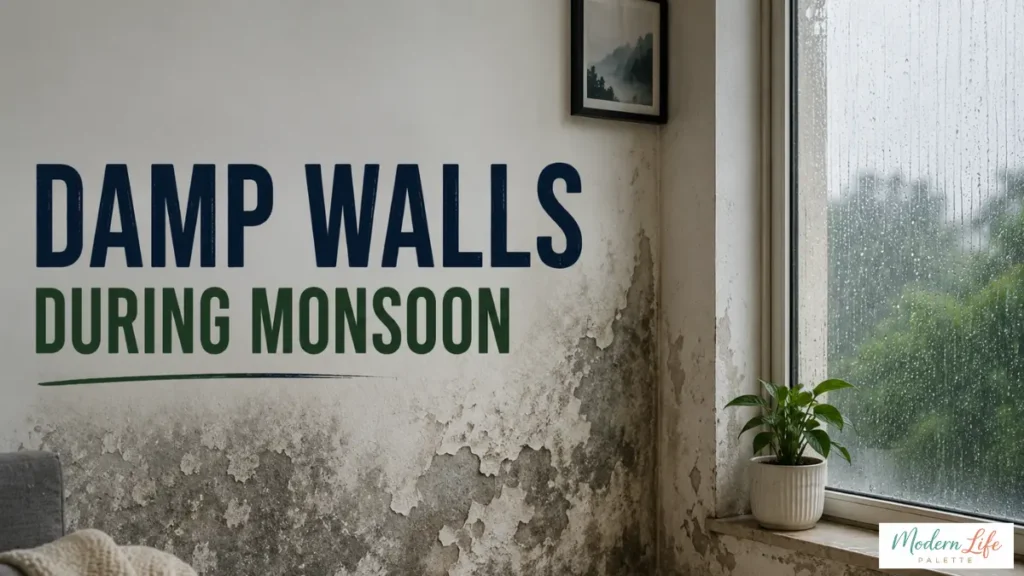
Let’s first understand why this even happens.
Why this happens (especially in Indian homes)?
In cities like Mumbai or coastal areas, humidity is already high. And when it rains continuously moisture starts entering walls through:
- External seepage
- Tiny cracks in walls
- Roof leakage
- Poor ventilation
I’ve personally seen walls look completely fine in summer and suddenly start feeling cold and wet in monsoon.
Quick Fix (If you need immediate relief)
- Wipe the damp area and keep it as dry as possible.
- Use moisture absorbers or even simple charcoal bowls.
- Keep windows open whenever there is no rain.
- Use fans to circulate air.
This won’t solve the root cause – but it will prevent it from getting worse immediately.
Permanent Solution (What actually works)
- Waterproofing treatment on external walls.
- Sealing cracks properly.
- Using anti-damp or anti-fungal paint.
- Fixing the exact source (roof, plumbing, or seepage).
If dampness keeps coming back every year, it’s not a surface issue – you’ll need to go deeper. I’ve explained this in detail here: How to Treat Dampness on Walls During Monsoon.
2. Fungus & Mold on Walls
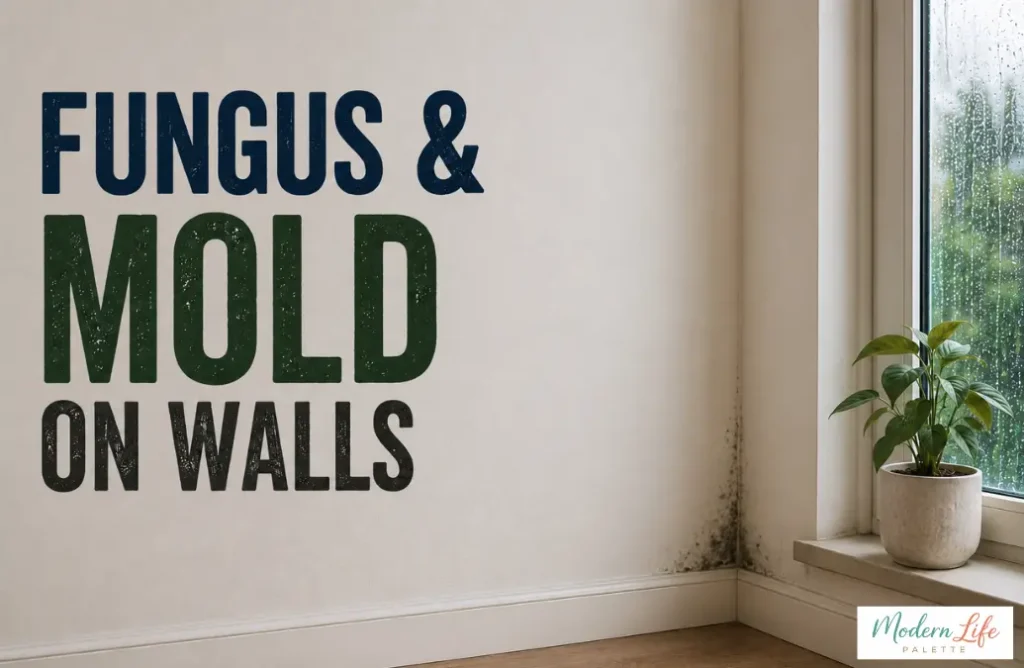
If dampness is left unattended, this is usually what shows up next.
Why fungus suddenly appears?
Those black or green patches on your walls? That’s mold – and it doesn’t need much to grow. It usually happens when:
- There’s constant moisture in the walls.
- Corners don’t get enough light.
- Airflow in the room is limited.
- I’ve often noticed it starts in hidden spots – behind furniture or near corners.
At first, it looks small and easy to ignore, but within days, it can spread much faster than expected.
Quick Removal
- I try to clean it as soon as I notice it (waiting only makes it worse).
- A simple vinegar + baking soda mix works well for small patches.
- For bigger areas, I go for an anti-fungal cleaner.
Most importantly, I make sure the area is completely dry after cleaning.
How to Prevent It Long-Term?
- I avoid pushing furniture tightly against walls, especially in monsoon.
- I keep some airflow going – even a fan helps.
- I check corners and less-used areas regularly.
- Fix moisture early to prevent fungus in long run.
If you’re already seeing patches, don’t ignore them. Here’s a detailed step-by-step: How to Remove Fungus from Walls in Rainy Season
3. Musty Smell in House (And How to Fix It)
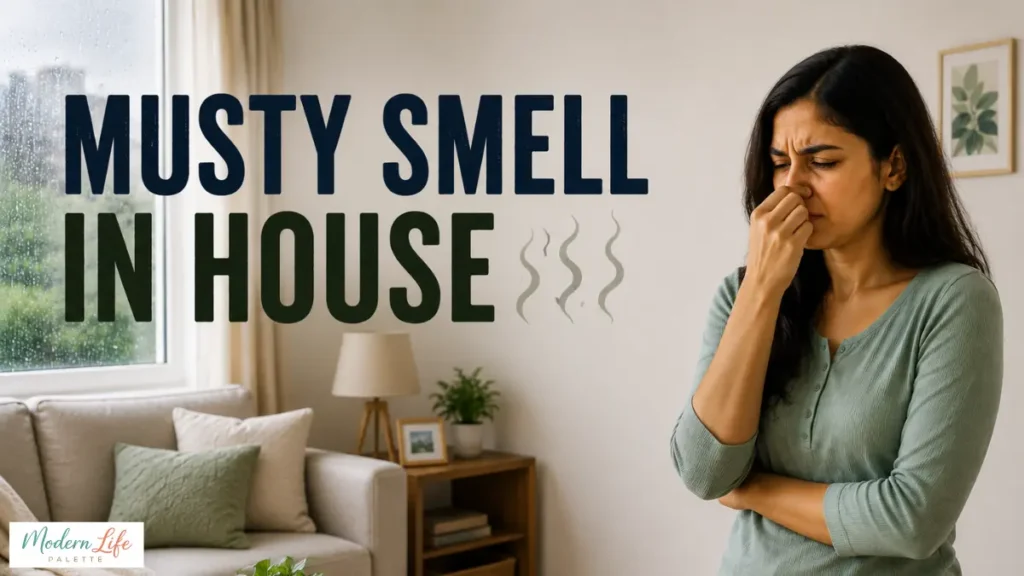
This smell usually doesn’t come out of nowhere – there’s a reason behind it.
What causes that smell?
That “closed, damp smell” doesn’t come from just one place – it usually builds up over time because of:
- Clothes drying indoors and not fully drying.
- Upholstery or carpets holding onto moisture.
- Cupboards staying shut with trapped humidity.
I’ve noticed this a lot in wardrobes – everything looks completely fine, but the moment you open it, the smell suddenly hits your nose.
Quick Fix
- I try to improve airflow as much as possible by opening windows whenever I can.
- Keeping a fan running also helps reduce that heavy, damp feeling.
- I sometimes place baking soda or charcoal in corners – they actually absorb moisture quite well.
These don’t eliminate the problem completely, but they make the space feel fresher almost immediately.
Long-Term Solution
- I make sure clothes are completely dry before storing them.
- Every few days, I leave cupboards open for some time to let air circulate.
Once you control the moisture, the smell usually disappears on its own, otherwise, it just keeps coming back no matter what you use.
If your home smells fine but cupboards don’t, this is likely your issue. I’ve broken it down here: Why Does My House Smell Musty in Monsoon & How to Fix It
4. Clothes Not Drying (And Smelling Worse)

This is one of the most frustrating problems during monsoon.
Why this happens?
If you’ve ever felt like your clothes are “dry”… but still smell off after a few hours – you’re not imagining it.
- During monsoon, there’s barely any sunlight and humidity is high.
- So even when clothes feel dry on the outside, moisture is still trapped inside. That trapped moisture is what causes that weird smell later
Quick Fix
- I make sure clothes have enough space while drying – no overlapping.
- I use a fan or AC airflow to speed things up.
- I avoid piling clothes together, even if space is limited.
These small changes actually make a noticeable difference.
Permanent Solution
- I set up a proper indoor drying spot where air can circulate freely.
- Adding a little vinegar during washing helps remove that damp smell.
- If the issue is constant, using a dehumidifier can really help.
Once airflow improves, drying becomes much easier and the smell problem reduces a lot.
If you’re dealing with this daily, don’t worry – it’s very common. Here’s a practical guide: How to Dry Clothes Indoors During Rain Without Smell
5. Water Leakage During Rain
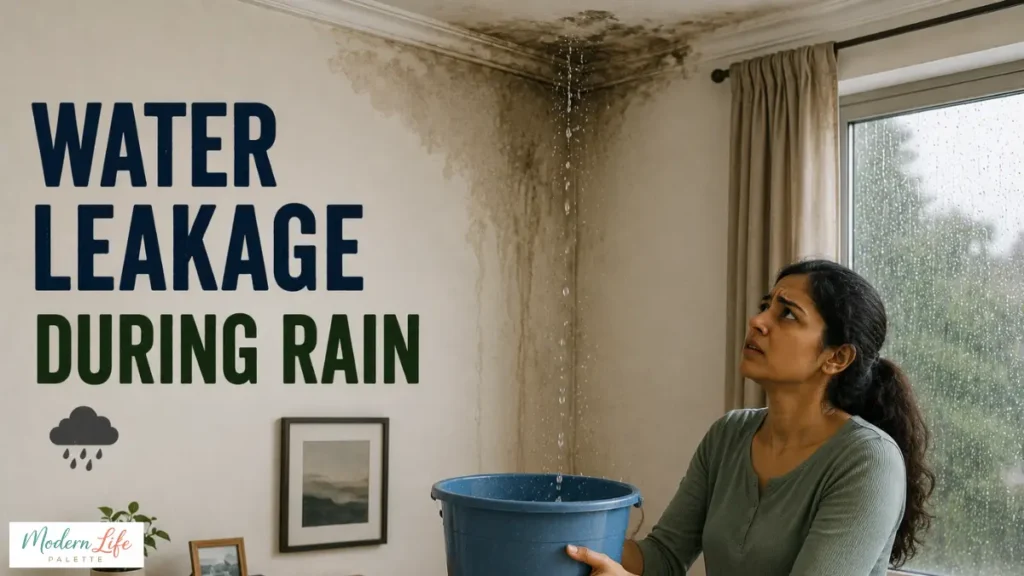
This is one monsoon problem I’ve learned not to ignore – even if it looks small in the beginning.
Common areas where leaks happen
Leakage usually starts in places that are constantly exposed to rain or moisture, like:
- Roofs or ceilings
- Around windows
- Bathroom walls or corners
Sometimes it starts as a small stain and suddenly turns into dripping water during heavy rain.
Immediate Action
- I place a bucket or container right away to avoid water spreading.
- If possible, I use temporary sealing like tape or sealant for quick relief.
- I also move nearby furniture or electronics before the area gets worse.
These fixes are temporary, but they help control the damage until the actual repair is done.
Permanent Fix
Over time, I’ve realized leakage never really stops on its own. The source has to be fixed properly.
That usually means:
- Waterproofing the affected area.
- Sealing cracks properly.
- Cleaning blocked drainage or outlets.
Once the source is fixed, the problem usually doesn’t return every monsoon.
When should you call a professional?
- If the leakage gets worse during heavy rain.
- If stains continue spreading across the wall or ceiling.
- If the paint starts peeling or the ceiling feels weak.
Small leaks can turn into expensive repairs if delayed for too long, so if the problem keeps coming back, it’s worth getting it checked properly.
If you’ve started noticing signs of leakage, it’s better to deal with it early before the damage spreads further. Here’s a detailed guide that can help: Water Leakage from Ceiling During Rain
6. Mosquito & Pest Problems

Monsoon doesn’t just bring rain – it also brings mosquitoes and all kinds of unwanted pests into the house.
Why it gets worse in monsoon?
I’ve noticed that even a little bit of stagnant water is enough for mosquitoes to start showing up.
Common reasons usually include:
- Water collecting in balcony corners or plant trays.
- High humidity creating the perfect environment for pests.
- Open drains or damp areas around the house.
And the frustrating part is, sometimes you don’t even notice the source immediately.
Quick Prevention
- I make sure there’s no standing water around the house, even in small containers.
- Using repellents or mosquito coils helps, especially during evenings.
Even a quick check every few days makes a big difference during monsoon.
Long-Term Control
- Installing mesh on windows helps keep mosquitoes out without keeping the house shut.
- I try to keep surrounding areas clean and dry as much as possible.
- Hidden spots where water collects are the ones I check most often now.
Once you stay consistent with this, the mosquito problem becomes much easier to manage.
If you have kids at home, staying on top of mosquito prevention becomes even more important during monsoon. Here’s a detailed guide that can help: How to Prevent Mosquitoes During Rainy Season at Home
7. Bathroom Issues
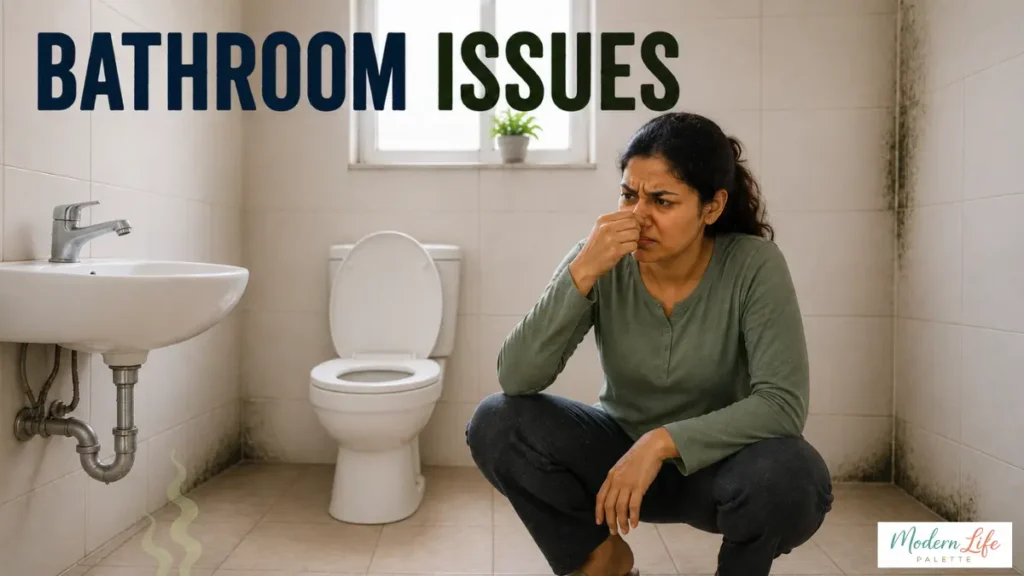
Bathrooms are usually the first areas where monsoon problems start showing up.
Common problems during monsoon
With constant moisture and limited airflow, these spaces can quickly start feeling damp and uncomfortable.
Some of the most common issues include:
- Slippery floors
- Mold building up in corners
- Bad smell coming from drains
I’ve especially noticed that bathrooms stay damp for much longer during rainy season.
Quick Fix
- I keep the exhaust fan running a little longer than usual.
- Try to keep surfaces as dry as possible after use.
- Anti-skid mats help a lot, especially when floors stay wet.
Small habits like these make the space feel much cleaner and safer.
Long-Term Maintenance
- Regular deep cleaning becomes more important during monsoon.
- I also make sure drains are cleaned properly to avoid smell and blockage.
- Keeping ventilation active really helps reduce moisture buildup over time.
Once airflow improves, most of these issues become much easier to manage.
Bathrooms are usually the first place to show signs of excess moisture during monsoon. Here’s a detailed guide that can help: How to Keep Bathroom Dry During Monsoon
Monsoon Home Maintenance Checklist
I’ve realized that a few small checks before or during monsoon can actually prevent bigger problems later.
If you don’t want unexpected dampness, leakage, or moisture issues showing up mid-season, this simple checklist really helps:
- Check walls and ceilings for small cracks or damp patches.
- Clean drainage areas before heavy rain starts.
- Keep airflow moving inside the house as much as possible.
- Place moisture absorbers or charcoal inside wardrobes.
- Don’t ignore small leaks – they usually spread over time.
- Try to prevent moisture from building up in closed spaces.
Most of these things take very little time, but they make a huge difference once the rains get stronger.
Final Thoughts
Most monsoon home problems start small – but if ignored, they quickly get worse. From damp walls to musty smells and leakage, dealing with issues early makes a huge difference.
A few simple habits and timely fixes can keep your home dry, fresh, and much more comfortable throughout the rainy season.
FAQs
1. How to keep a house clean in rainy season?
Keep floors dry, improve airflow, clean damp areas regularly, and avoid moisture buildup from wet clothes or shoes during monsoon.
2. How to prepare your home for heavy rain?
Check for cracks, clean drains and gutters, fix leaks early, and improve ventilation before heavy rain begins.
3. How to prevent rain water from entering your door?
Use door seals or rubber strips, keep drainage areas clean, and block gaps where water can enter during heavy rain.
4. What all happens in your house during the rainy season?
Monsoon can cause damp walls, leakage, musty smell, fungus growth, slippery floors, and increased mosquito problems due to excess moisture.
5. How to clean a floor in rainy season?
Use less water while mopping, dry floors quickly, and keep ventilation active to avoid slippery surfaces and damp smell.
6. How to remove moisture from a room in rainy season naturally?
Improve airflow, use fans, open windows when possible, and place charcoal or baking soda in corners to absorb moisture naturally.
7. Should I mop on a rainy day?
Yes, but avoid excess water while mopping since floors take longer to dry during monsoon and can develop damp smell easily.

Other Articles