
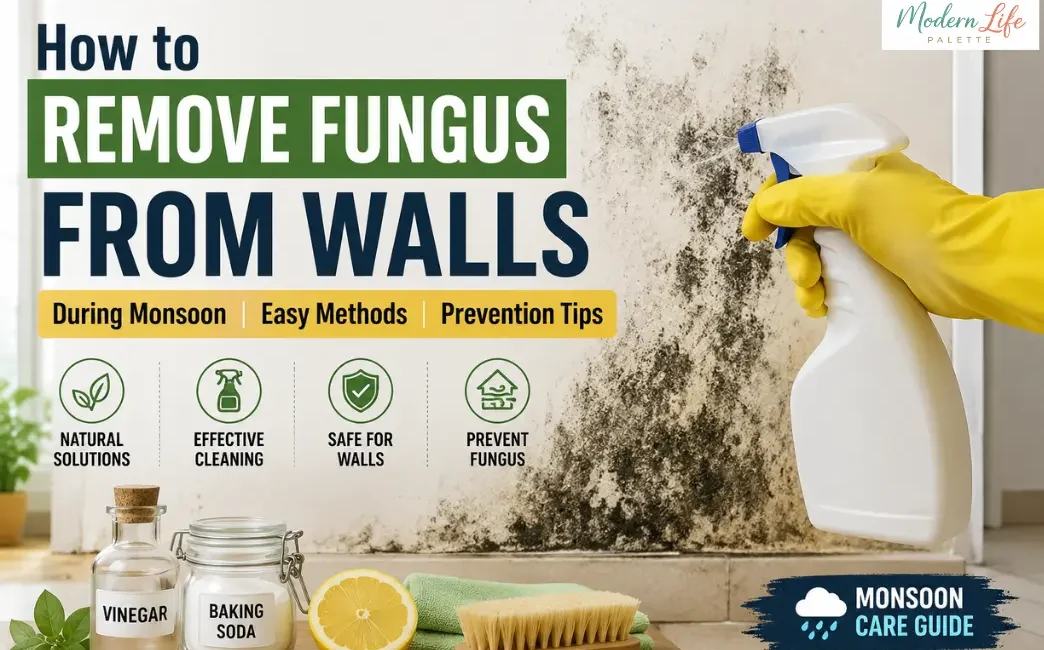
Every monsoon, many homeowners start noticing black patches/spots on their walls. I’ve seen this problem become worse simply because it gets ignored in the beginning. The good news is that if you act early, you can remove fungus from walls easily and stop it from spreading further during rainy season.
In this guide, I’ll share some simple and practical ways to clean fungus from walls without damaging your paint or making the problem worse.
How to Clean Fungus from Walls Naturally?
Many homeowners prefer natural solutions before using chemical products. For small patches, some home remedies can work surprisingly well.
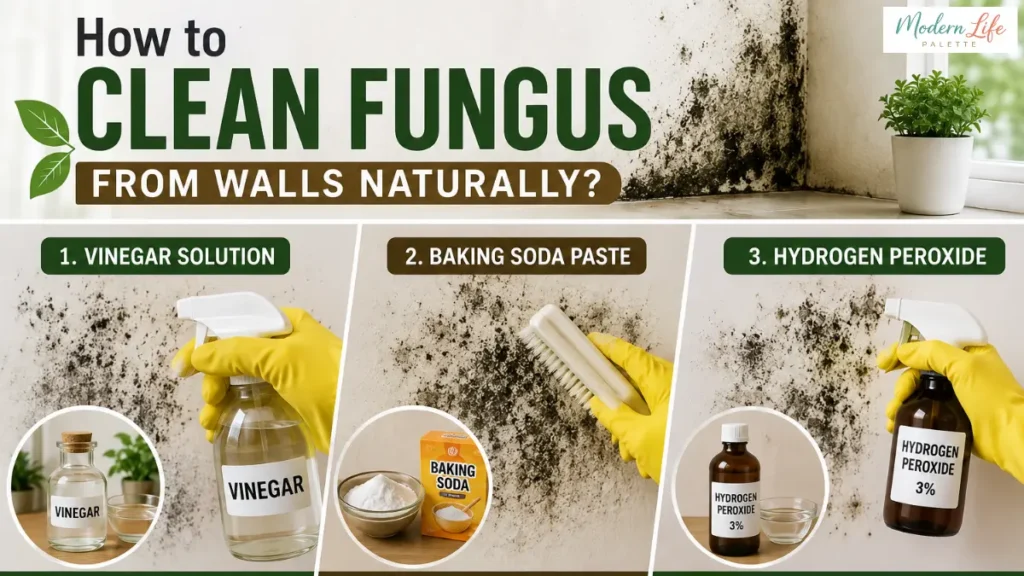
1. Vinegar Solution
White vinegar is one of the easiest ways to remove wall fungus naturally.
How to use:
- Fill a spray bottle with white vinegar
- Spray directly on the fungus
- Leave it for 20 minutes
- Wipe gently with a damp cloth
This method works well for early-stage fungus growth.
2. Baking Soda Paste
Baking soda helps absorb moisture and reduce odor.
Steps:
- Mix baking soda with little water
- Apply the paste on affected areas
- Let it sit for 10–15 minutes
- Clean using a soft sponge
This is useful if you want to get rid of fungus from walls in bedrooms or wardrobes where chemical smells may feel uncomfortable.
3. Hydrogen Peroxide
For darker stains or stubborn spots, hydrogen peroxide can be more effective than basic vinegar cleaning.
However, always test a small hidden area first to avoid paint discoloration.
How to Remove Fungus from Painted Walls Without Damaging Paint?
One mistake I often see homeowners make is aggressive scrubbing. This may remove the fungus temporarily but can also peel the paint layer.
If you want to remove fungus from walls safely:
- Avoid hard metal brushes
- Use microfiber cloths or soft sponges
- Don’t soak the wall with excess water
- Test any spray for fungus on walls on a small corner first
- Dry the area immediately after cleaning
Using a gentle wall fungus cleaner is usually better than strong bleach-based chemicals on painted surfaces.
Why Does Fungus Keep Coming Back After Cleaning?
This is one of the most common complaints during monsoon.
Many times, homeowners successfully clean fungus from walls, but the patches reappear after a few weeks. This usually means the actual moisture source is still active.
Common reasons include:
- Hidden seepage inside walls
- Roof leakage
- Cracks in exterior walls
- Poor ventilation
- Damp corners behind furniture
- Humidity trapped inside rooms
In such cases, cleaning alone is not enough. You need a proper solution for fungus on walls that addresses the moisture problem permanently.
Can Wall Fungus Be Removed Permanently?
Yes, but permanent removal depends on fixing the root cause.
If the issue is only surface-level humidity, improving airflow and regular cleaning may help. But if water seepage is involved, you may need:
- Waterproofing treatment
- Crack filling
- Exterior wall coating
- Leak repair
- Anti-fungal primer or paint
I usually suggest homeowners monitor whether the fungus appears only during rainy season or throughout the year. indicates deeper dampness issues.
Continuous fungal growth often indicates deeper dampness issues inside the walls. In such cases, along with cleaning, proper treatment for wall dampness and waterproofing becomes important to prevent the fungus from returning repeatedly during monsoon.
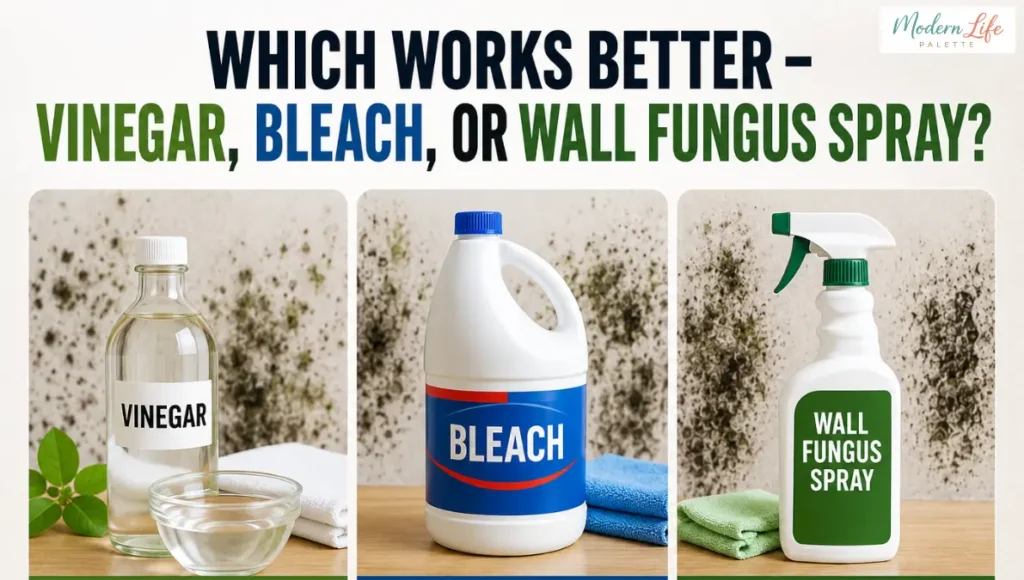
Which Works Better – Vinegar, Bleach, or Wall Fungus Spray?
The best solution usually depends on how severe the fungal growth is and whether your wall is painted or damp.
| Cleaning Option | Best For | Safe for Paint | Effectiveness |
| Vinegar | Mild fungus patches | Yes | Moderate |
| Baking Soda | Odor and light stains | Yes | Moderate |
| Bleach | Strong fungal stains | Sometimes | Strong |
| Wall Fungus Spray | Ready-to-use cleaning | Usually | Very Effective |
A good wall fungus spray can save time for homeowners dealing with repeated monsoon fungus problems. Just make sure the product is suitable for painted indoor walls.
What Should You Avoid While Cleaning Wall Fungus?
While trying to remove fungus from walls, some common mistakes can actually make the problem worse during monsoon:
- Painting directly over fungus
- Ignoring damp patches
- Using excessive water during cleaning
- Keeping furniture tightly against walls
- Mixing multiple chemicals together
- Closing windows during humid weather
I always suggest homeowners dry the wall properly after cleaning, because trapped moisture is one of the biggest reasons fungus keeps returning during rainy season.
Quick Monsoon Tips to Prevent Wall Fungus
Once you remove wall fungus, preventing moisture buildup becomes equally important during rainy season. A few simple habits can help keep your walls dry and reduce fungal growth:
- Keep windows open whenever possible
- Use exhaust fans in bathrooms and kitchens
- Avoid drying wet clothes indoors
- Maintain airflow behind wardrobes and beds
- Repair leaks early
- Use moisture absorbers in humid rooms
Even after you remove wall fungus, prevention is important because monsoon humidity can trigger regrowth very quickly.
Conclusion
Wall fungus is a very common monsoon problem, especially in humid homes with limited ventilation or hidden dampness. While mild patches can often be cleaned at home using a wall fungus cleaner or natural remedies, repeated fungal growth usually indicates an underlying moisture issue.
If you notice the fungus returning frequently even after cleaning, it’s better to address the seepage or waterproofing problem early before the damage spreads further. Proper monsoon home care, regular ventilation, and timely dampness treatment can help prevent recurring wall fungus during rainy season.
FAQs
1. How to remove fungus from wall surfaces quickly?
Dry the wall first, apply vinegar or a fungus remover for walls, scrub gently, and dry the surface completely.
2. What is the best solution for fungus on walls?
The best solution depends on the severity. Mild fungus can often be cleaned using vinegar, while repeated fungal growth may require waterproofing and anti-fungal treatment.
3. Can I use a wall fungus spray on painted walls?
Yes, but always check whether the product is safe for painted surfaces before use.
4. Why does fungus appear during rainy season?
High humidity, dampness, poor ventilation, and water seepage are the main reasons fungus grows during monsoon.
5. Is bleach safe for wall fungus cleaning?
Bleach can remove strong fungal stains, but it may damage certain paints or leave strong fumes indoors.
6. Can fungus damage walls permanently?
If ignored for long periods, fungal growth can weaken paint, create stains, and worsen damp wall problems.

Other Articles