
If you’re constantly dealing with mosquitoes buzzing around your home or waking up with itchy bites, you’re probably wondering what else you can do. The good news is that effective mosquito prevention doesn’t have to be complicated. With a few simple changes around your home, you can reduce mosquito activity, avoid mosquito bites, and create a safer environment for your family.
Why Is Mosquito Prevention Important?
Most of us think of mosquitoes as a nuisance, but they’re much more than that. Mosquitoes can carry diseases such as dengue, malaria, and chikungunya, making protection from mosquito bites an important part of keeping your loved ones safe.
The earlier you address a mosquito problem, the easier it is to control. A few preventive measures today can save you from a much bigger issue later.
What Are the Best Ways to Prevent Mosquitoes at Home?
If you’re looking for a quick answer to how to prevent mosquitoes at home, focus on these proven steps:
- Remove standing water regularly.
- Clean drains and gutters.
- Install window and door screens.
- Cover water storage containers.
- Keep your home clean and clutter-free.
- Use mosquito repellents when needed.
- Trim overgrown plants and shrubs.
- Seal gaps that allow mosquitoes indoors.
Let’s look at each of these in detail.
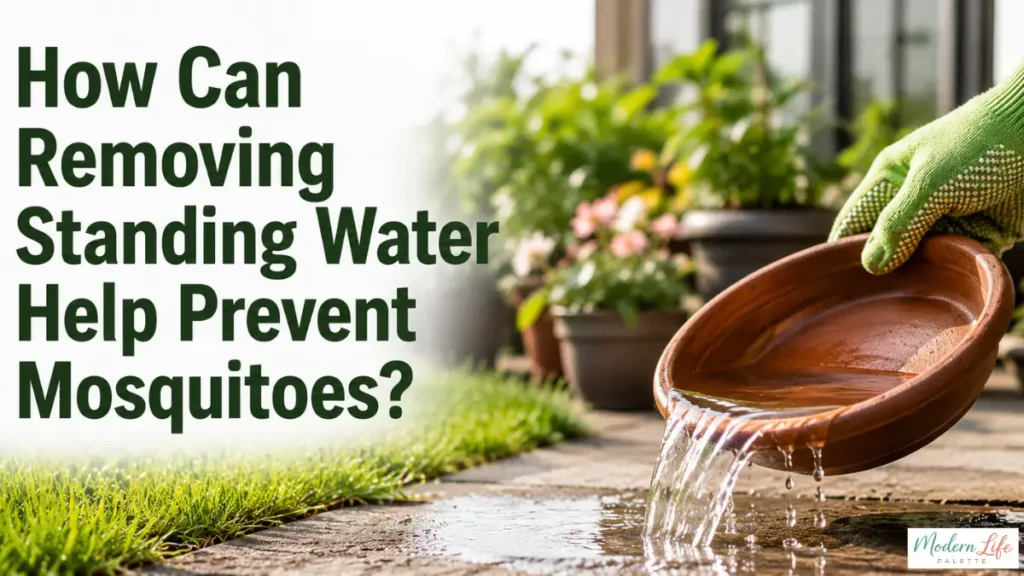
How Can Removing Standing Water Help Prevent Mosquitoes?
Standing water is one of the biggest reasons mosquito populations increase around homes. Since mosquitoes lay their eggs in stagnant water, removing these breeding spots is one of the most effective ways to prevent mosquitoes at home.
What Should You Check?
- Plant pot trays and saucers
- Buckets and watering cans
- Pet water bowls
- Bird baths
- Children’s outdoor toys
- Air cooler trays
- Tarpaulins and covers
- Unused containers around the yard
How Often Should You Check?
- At least once every week
- After heavy rainfall
- More frequently during monsoon season
Why Does This Help?
✔ Prevents mosquitoes from laying eggs
✔ Reduces mosquito populations before they multiply
✔ Helps avoid mosquito bites around your property
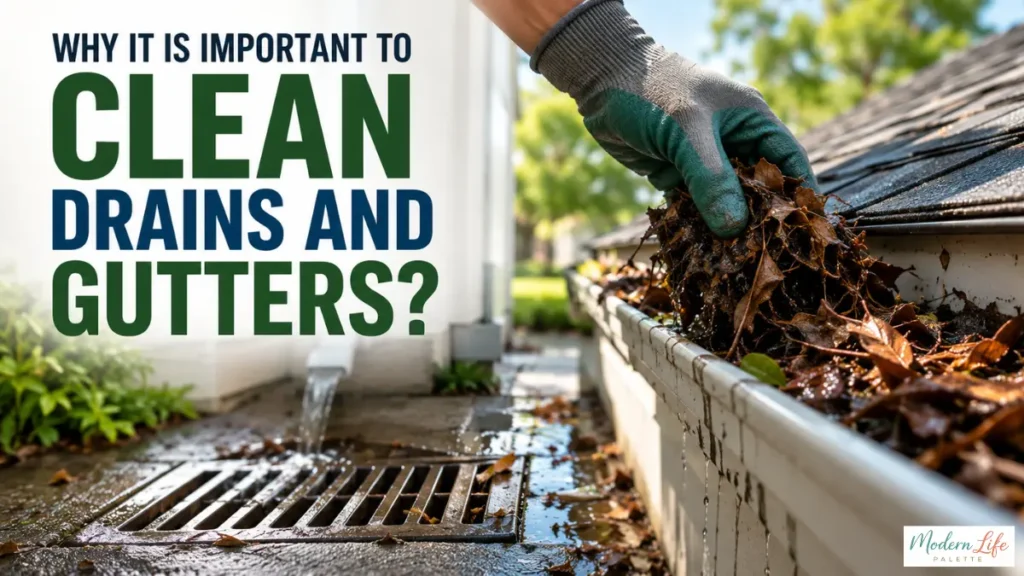
Why Is It Important to Clean Drains and Gutters?
Blocked drains and gutters often hold water long after rainfall. Many homeowners don’t realize these hidden areas can become mosquito breeding grounds.
How Can You Keep Drains and Gutters Mosquito-Free?
- Remove leaves and debris regularly
- Clear blockages that prevent water flow
- Inspect roof gutters after storms
- Repair damaged drainage systems
- Check outdoor drains for standing water
Benefits of Regular Cleaning
✔ Eliminates hidden breeding areas
✔ Improves drainage around your property
✔ Supports long-term mosquito prevention
How Do Window and Door Screens Help Keep Mosquitoes Out?
Even if you’ve reduced mosquito breeding around your home, mosquitoes from nearby areas can still find their way inside.

What Should Homeowners Do?
- Install screens on windows and doors
- Repair torn mesh immediately
- Check for loose screen frames
- Replace damaged screens when necessary
- Keep screens clean for proper airflow
Why Are Screens Effective?
✔ Provide continuous protection from mosquito bites
✔ Allow fresh air inside
✔ Reduce the need for chemical repellents
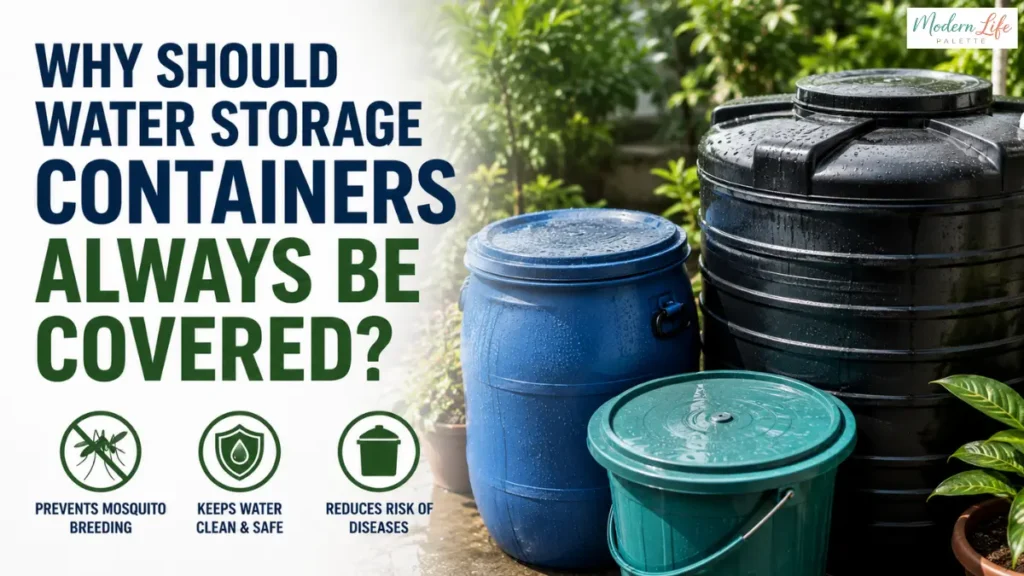
Why Should Water Storage Containers Always Be Covered?
Uncovered water storage containers are one of the most common mosquito breeding sites, especially during warmer months.
Containers That Should Always Be Covered
- Water tanks
- Barrels
- Drums
- Buckets
- Rainwater collection systems
Best Practices
- Use tightly fitting lids
- Inspect covers regularly for damage
- Clean containers periodically
- Ensure water tanks remain properly sealed
Why Does This Matter?
✔ Prevents mosquitoes from accessing water
✔ Reduces breeding opportunities
✔ Improves overall mosquito control
How Does Keeping Your Home Clean Help With Mosquito Prevention?
While mosquitoes don’t appear because a home is dirty, clutter and damp areas can create ideal hiding spots.

Areas That Often Need Attention
- Behind furniture
- Storage rooms
- Laundry areas
- Basements
- Damp corners
- Under sinks
Simple Habits That Help
- Vacuum regularly
- Reduce clutter
- Improve ventilation
- Fix water leaks promptly
- Keep trash bins covered
Benefits
✔ Reduces mosquito resting areas
✔ Improves indoor hygiene
✔ Makes your home less attractive to mosquitoes
When Should You Use Mosquito Repellents?
Repellents provide an extra layer of protection, particularly when mosquito activity is high.

Popular Mosquito Repellent Options
- Mosquito sprays
- Liquid vaporizers
- Mosquito coils
- Electric mosquito traps
- Repellent patches
- Plug-in repellents
When Are Repellents Most Useful?
- During dawn and dusk
- While spending time outdoors
- During monsoon season
- When mosquito activity increases indoors
Why Use Repellents?
✔ Help avoid mosquito bites
✔ Provide immediate protection
✔ Complement other mosquito prevention methods
Can Trimming Plants and Shrubs Reduce Mosquito Activity?
Yes. Overgrown gardens often provide shade and shelter where mosquitoes can rest during the day.

What Garden Maintenance Should You Do?
- Trim overgrown bushes
- Cut tall grass regularly
- Remove garden debris
- Prune dense vegetation
- Improve airflow between plants
Areas Commonly Overlooked
- Behind sheds
- Fence lines
- Around water features
- Under dense shrubs
Benefits
✔ Reduces mosquito hiding places
✔ Improves air circulation
✔ Makes outdoor spaces more comfortable
Why Should You Seal Gaps Around Your Home?
Mosquitoes don’t need a large opening to get indoors. Small gaps around doors, windows, and utility lines are often enough.

Areas to Inspect
- Window frames
- Door frames
- Utility pipe openings
- Air conditioning units
- Vent openings
- Wall cracks
How Can You Seal Entry Points?
- Apply weather stripping
- Use caulk around gaps
- Repair damaged seals
- Install door sweeps
- Cover vents with mesh where appropriate
Why Does This Help?
✔ Prevents mosquitoes from entering
✔ Improves indoor protection from mosquito bites
✔ Works alongside screens and repellents
What Are the Best Home Remedies for Repelling Mosquitoes?
Many homeowners prefer natural solutions before turning to chemical products. While these remedies may not eliminate mosquitoes completely, they can help reduce their presence.
Neem Oil
Neem oil has been used for generations as a natural mosquito deterrent. Many homeowners use diluted neem oil in diffusers or according to product instructions.
Citronella
Citronella is one of the most popular home remedies for repelling mosquitoes. Its strong scent may help discourage mosquitoes in outdoor sitting areas.
Lemongrass
Lemongrass contains natural compounds commonly used in mosquito-repellent products and sprays.
Tulsi (Holy Basil)
Growing tulsi near windows, balconies, or entrances is a popular natural mosquito prevention method.
Camphor
Camphor is another traditional remedy that some homeowners use to help deter mosquitoes indoors.
Natural remedies work best when combined with broader mosquito prevention practices.
Which Mosquito Repellents Work Best Indoors?
If natural remedies aren’t enough, you may want to consider additional protection.
Popular options include:
- Mosquito sprays
- Liquid vaporizers
- Mosquito coils
- Electric mosquito traps
- Mosquito repellent patches
- Plug-in repellents
Always follow manufacturer instructions and choose products suitable for your household.
How Can You Prevent Mosquitoes During Monsoon?
Mosquito populations often increase during the rainy season because water accumulates more easily.
During monsoon, I recommend:
- Checking your property after every rainfall.
- Emptying water collected in containers.
- Cleaning gutters more frequently.
- Keeping water tanks tightly covered.
- Monitoring balconies and terraces.
- Removing leaves and debris from outdoor areas.
Staying proactive during monsoon can significantly reduce mosquito breeding.
What Mistakes Make Mosquito Problems Worse?
Many homeowners unknowingly create conditions that encourage mosquitoes.
Common mistakes include:
- Ignoring small amounts of standing water.
- Relying only on mosquito sprays.
- Leaving windows open without screens.
- Forgetting to clean gutters.
- Allowing plants and shrubs to become overgrown.
- Neglecting outdoor storage areas.
Avoiding these mistakes can make your mosquito control efforts much more effective.
What Should Be on Your Mosquito Prevention Checklist?
A simple routine can help keep mosquito populations under control.
Daily Tasks
- Empty unnecessary standing water.
- Keep doors closed during peak mosquito activity.
- Use repellents if needed.
Weekly Tasks
- Inspect plant trays and containers.
- Clean drains and gutters.
- Check coolers and water storage areas.
- Trim overgrown vegetation.
Monthly Tasks
- Inspect window and door screens.
- Check for leaks around the property.
- Review outdoor areas for hidden breeding spots.
Following a checklist makes mosquito prevention easier and more consistent. If you’re preparing your home for the rainy season, don’t miss our Monsoon Home Care Guide, where you’ll find practical tips to prevent water damage, control moisture, and keep your home protected throughout the monsoon.
When Should You Consider Professional Mosquito Control?
Sometimes DIY efforts are not enough.
You may benefit from professional treatment if:
- Mosquitoes keep returning despite prevention efforts.
- There are large breeding areas nearby.
- Outdoor mosquito activity remains high.
- Family members are frequently being bitten.
- Mosquito-borne diseases are a concern in your area.
Professionals can identify breeding sites and apply treatments that may not be practical for homeowners to manage themselves.
Final Thoughts
Learning how to prevent mosquitoes at home is really about consistency. By removing breeding sites, keeping mosquitoes from entering your home, using home remedies for repelling mosquitoes, and following a simple maintenance routine, you can greatly reduce mosquito activity. A few preventive measures today can go a long way toward helping your family avoid mosquito bites and enjoy better protection from mosquito bites throughout the year.
Frequently Asked Questions
1. Why are there mosquitoes in my house even when it’s clean?
Mosquitoes are often attracted by standing water, moisture, or entry points rather than cleanliness alone.
2. What are the most effective ways to prevent mosquitoes from biting you?
Using repellents, mosquito nets, protective clothing, and reducing mosquito populations around your home are among the best ways to prevent mosquitoes from biting you.
3. What smell do mosquitoes hate the most?
Many people use citronella, neem, lemongrass, and similar scents to help repel mosquitoes.
4. Can mosquitoes breed inside the house?
Yes. Mosquitoes can breed anywhere there is stagnant water, including plant trays, coolers, buckets, and containers kept indoors.
5. How can I avoid mosquito bites while sleeping?
Using mosquito nets, screens, fans, and appropriate repellents can help avoid mosquito bites at night.
6. How often should standing water be removed?
Ideally, inspect and remove standing water at least once a week, and more frequently during rainy periods.

Other Articles