

Dengue prevention isn’t something most of us think about until someone close to us falls sick. But by then, mosquitoes may have already been breeding around our homes for days or even weeks. The good news is that a few simple precautions can make a big difference.
In this article, we’ll share practical dengue precautions, dengue awareness tips, and easy ways toprevent dengue that you can start following today.
What Is Dengue?
Dengue is a viral infection caused by the dengue virus and spread through the bite of infected Aedes mosquitoes. It is one of the most common mosquito-borne diseases in tropical and subtropical regions.
Unlike the common cold or flu, dengue does not spread directly from one person to another. Instead, a mosquito becomes infected after biting a person carrying the virus and can then transmit it to others
Why Is Dengue Prevention So Important?
Many people think dengue is just another seasonal illness. In reality, it can lead to serious complications if not prevented or treated early.
The mosquito that spreads dengue breeds quickly, especially during and after the monsoon. Once infected, a person can experience high fever, severe body pain, weakness, and, in some cases, life-threatening complications.
That’s why dengue fever prevention isn’t just about protecting yourself—it’s about protecting your family, neighbours, and community too.
How Does Dengue Spread?
One of the biggest misconceptions is that dengue spreads directly from one person to another. It doesn’t.
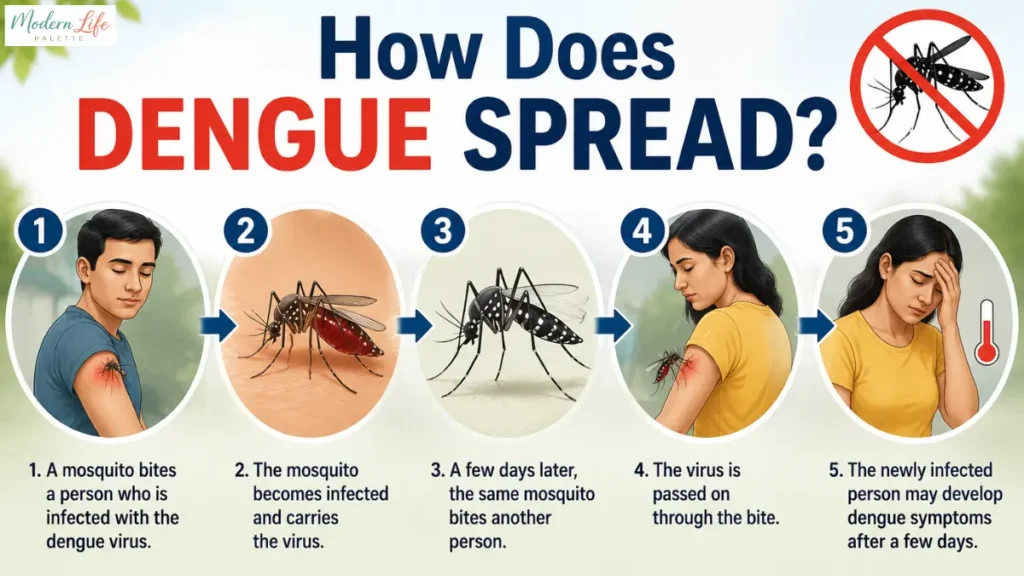
Instead, the virus follows a simple cycle involving mosquitoes.
Here’s how it happens:
- A mosquito bites a person who is infected with the dengue virus.
- The mosquito becomes infected and carries the virus.
- A few days later, the same mosquito bites another person.
- The virus is passed on through the bite.
- The newly infected person may develop dengue symptoms after a few days.
That’s why breaking the mosquito breeding cycle is one of the most effective preventive measures of dengue.
Why Do Dengue Cases Increase During the Monsoon?
Have you noticed that dengue cases seem to rise every rainy season?
That’s because monsoon creates the perfect environment for mosquitoes to breed. Rainwater often collects in places we don’t think about, giving mosquitoes plenty of opportunities to lay their eggs.
Common breeding spots include:
- Flower pots
- Air coolers
- Buckets
- Water tanks
- Old tyres
- Coconut shells
- Pet water bowls
- Roof gutters
- Disposable cups and bottles
Even a small amount of clean, stagnant water can become a breeding site in just a few days.
That’s why health experts recommend checking your home at least once a week as part of your regular dengue fever preventive measures.
When Is the Risk of Dengue Highest?
The risk of dengue isn’t the same throughout the year. It usually increases when mosquitoes find more places to breed, making dengue prevention even more important.
- During the Monsoon
Rainwater often collects in containers, coolers, flower pots, and other open spaces, creating ideal breeding conditions for mosquitoes.
- After the Monsoon
The risk remains high even after the rains stop, as mosquitoes that bred during the monsoon continue to spread the virus.
- In Urban Areas
Crowded neighbourhoods, apartments, and public spaces with poor water management are more likely to experience dengue outbreaks.
- Around Construction Sites
Open drums, tanks, and unfinished structures can collect stagnant water, making construction sites common mosquito breeding spots.
- Near Water Storage Containers
Uncovered water tanks, buckets, coolers, and other containers can become breeding sites if they’re not cleaned and covered regularly.
Quick Tip: Whether it’s monsoon or not, make it a habit to inspect your home once a week for stagnant water. It’s one of the simplest and most effective ways to prevent dengue.
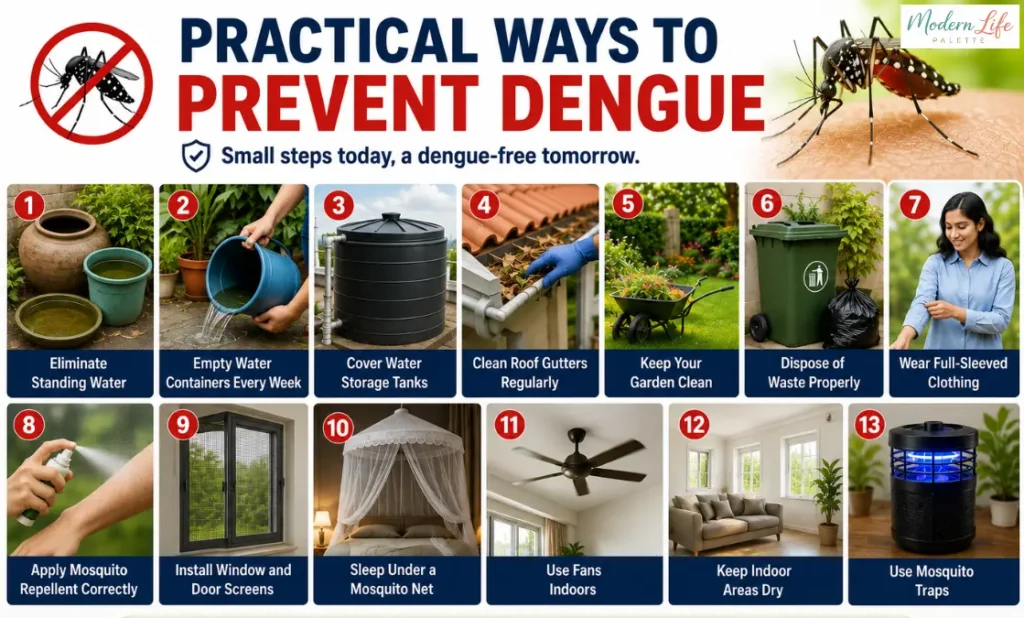
13 Practical Ways to Prevent Dengue
Wondering what you can do to protect yourself and your family? The good news is that dengue prevention doesn’t require major lifestyle changes. Most dengue fever preventive measures are simple habits that take just a few minutes but can significantly reduce the risk of mosquito breeding and bites.
1. Eliminate Standing Water
Mosquitoes that spread dengue lay their eggs in clean, stagnant water. Even a small amount of water can become a breeding site within days.
Check and empty water from:
- Buckets
- Flower pots and trays
- Old tyres
- Air coolers
- Bottles and cans
- Roof gutters
- Pet bowls
- Bird baths
Tip: Make it a weekly habit to inspect your home after rainfall.
2. Empty Water Containers Every Week
Did you know mosquito eggs can hatch in just a few days? That’s why simply checking containers once a month isn’t enough.
Get into the habit of:
- Emptying stored water weekly.
- Scrubbing containers before refilling them.
- Replacing water in flower vases regularly.
This simple routine is one of the most effective preventive measures of dengue.
3. Cover Water Storage Tanks
If you store water at home, always keep tanks, drums, and buckets tightly covered.
This helps:
- Prevent mosquitoes from laying eggs.
- Keep water clean.
- Reduce mosquito breeding around your home.
4. Clean Roof Gutters Regularly
Leaves and debris can block roof gutters, causing rainwater to collect for days.
To avoid this:
- Remove leaves and dirt regularly.
- Ensure water drains properly.
- Inspect gutters after heavy rainfall.
5. Keep Your Garden Clean
Your garden can attract mosquitoes if water collects in hidden corners.
Don’t forget to:
- Trim overgrown plants.
- Empty plant saucers.
- Remove fallen leaves.
- Check decorative pots and fountains.
6. Dispose of Waste Properly
Discarded items often collect rainwater without anyone noticing.
Dispose of or recycle:
- Plastic cups
- Bottles
- Tin cans
- Coconut shells
- Food containers
- Old tyres
A cleaner neighbourhood supports better dengue prevention and control.
7. Wear Full-Sleeved Clothing
Since dengue mosquitoes usually bite during the day, covering your skin can lower the risk of bites.
Choose:
- Full-sleeved shirts
- Full-length trousers
- Socks when outdoors
- Light-coloured clothing whenever possible
8. Apply Mosquito Repellent Correctly
Mosquito repellents offer extra protection, especially if you’re spending time outdoors.
Look for repellents containing:
- DEET – Long-lasting protection.
- Picaridin – Effective and gentle on the skin.
- Oil of Lemon Eucalyptus – A plant-based option for older children and adults.
Always follow the instructions on the product label before use.
9. Install Window and Door Screens
Keeping mosquitoes out is easier than dealing with them later.
Check that:
- Window screens have no holes.
- Doors close properly.
- Torn mesh is repaired promptly.
10. Sleep Under a Mosquito Net
Mosquito nets provide added protection, especially for:
- Infants
- Older adults
- People resting during the day
- Anyone recovering from illness
11. Use Fans Indoors
Mosquitoes are weak fliers. A ceiling or pedestal fan creates constant airflow, making it harder for them to land and bite.
While a fan won’t eliminate mosquitoes, it can help reduce bites indoors.
12. Keep Indoor Areas Dry
Dark, damp wall corners can become resting spots for mosquitoes.
Pay attention to:
- Bathrooms
- Utility rooms
- Basements
- Balconies
Fix water leaks and improve ventilation wherever possible.
13. Use Mosquito Traps
Mosquito traps can help reduce mosquito numbers indoors, especially when used alongside other dengue prevention tips.
Remember, traps work best as part of a complete mosquito control plan—not as the only solution.
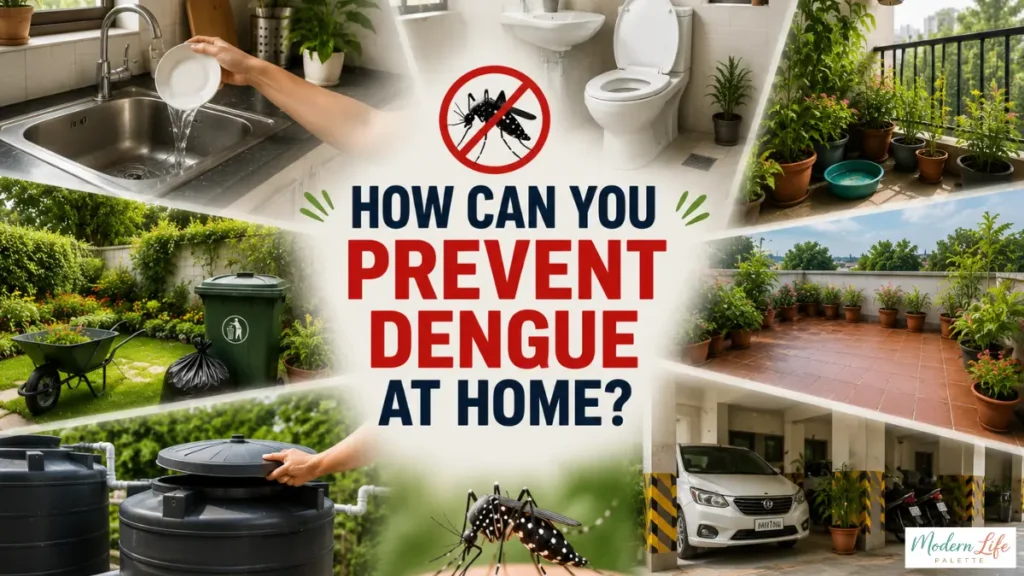
How Can You Prevent Dengue at Home?
Your home is one of the most common places where dengue mosquitoes breed. The good news is that a quick room-by-room inspection every week can significantly reduce the risk. Use this checklist to spot and eliminate potential breeding sites before they become a problem.
Kitchen
Check for water collecting in unexpected places.
- Empty and clean water containers regularly.
- Don’t leave buckets or utensils filled with water.
- Keep sinks and drains clean.
Bathroom
Bathrooms can become hidden mosquito breeding spots.
- Empty water buckets when not in use.
- Fix leaking walls, taps and pipes.
- Keep floor drains clean.
Balcony
Rainwater can easily collect on balconies.
- Empty plant saucers after watering.
- Remove water from unused containers.
- Keep the area clutter-free.
Garden
A beautiful garden shouldn’t become a mosquito hotspot.
- Trim overgrown plants.
- Empty bird baths and decorative pots regularly.
- Remove fallen leaves that trap water.
Terrace
Terraces are often overlooked during dengue prevention.
- Clear roof gutters after rainfall.
- Remove unused items that collect water.
- Check corners for stagnant rainwater.
Water Tanks
Always keep water storage safe.
- Keep tanks tightly covered.
- Clean them at regular intervals.
- Repair any cracks or leaks.
Parking Area
Mosquitoes can breed in parking spaces too.
- Remove water from old tyres and containers.
- Check for puddles after rain.
- Keep the area clean and well-drained.
Weekly Reminder: Spend just 10 minutes every week checking these areas. This simple habit is one of the most effective dengue prevention tips and can go a long way in protecting your family.
How Can You Protect Children from Dengue?
Children are naturally more active and spend a lot of time outdoors, making them more likely to get mosquito bites. The good news is that a few everyday habits can make dengue prevention much easier and help keep your child safe during the dengue season.
Outdoor Play
Dengue mosquitoes are most active during the day.
- Encourage children to play in areas with fewer mosquitoes.
- Apply mosquito repellent before outdoor activities.
- Dress them in full-sleeved clothing whenever possible.
Mosquito Repellents
Use a child-safe mosquito repellent as directed on the label, especially before school, outdoor play, or family outings.
School Awareness
Schools play an important role in dengue awareness.
- Teach children how dengue spreads.
- Encourage them to report stagnant water on school premises.
School Bags
Mosquitoes can hide in dark, undisturbed places.
- Keep school bags clean and dry.
- Avoid leaving bags in damp corners.
Quick Tip: Remind children that preventing mosquito bites is just as important as washing their hands. Simple daily habits can make a big difference in protecting them from dengue.
How Can You Protect Babies from Dengue?
Babies are especially vulnerable to mosquito bites because their immune systems are still developing. Since they can’t swat mosquitoes away or tell you when they’ve been bitten, extra care is essential during the dengue season.

Dress Your Baby in Protective Clothing
Cover as much skin as possible without making your baby uncomfortable.
- Choose lightweight, full-sleeved cotton clothing.
- Dress babies in full-length pants or leggings.
- Cover their feet with socks when appropriate.
Use a Mosquito Net
A mosquito net is one of the safest and most effective ways to protect babies while they sleep.
- Cover cribs, bassinets, and strollers with a well-fitted mosquito net.
- Check the net regularly for holes or tears.
- Ensure it is tucked in properly so mosquitoes can’t get inside.
Keep the Crib Mosquito-Free
Make your baby’s sleeping area as safe as possible.
- Place the crib away from open windows if there are no mosquito screens.
- Keep the area clean and clutter-free.
- Install window or door screens to prevent mosquitoes from entering.
Use Baby-Safe Mosquito Repellents
Not all mosquito repellents are suitable for babies.
- Use only products that are appropriate for your baby’s age.
- Follow the manufacturer’s instructions carefully.
- Never apply repellent to your baby’s hands, eyes, mouth, or irritated skin.
- If you’re unsure which product is suitable, speak with your child’s paediatrician.
Keep Your Home Mosquito-Free
Protecting your baby starts with preventing mosquitoes from breeding.
- Empty stagnant water every week.
- Cover water storage containers.
- Keep balconies, gardens, and terraces free from standing water.
Parents’ Tip: Your baby’s best protection isn’t just a mosquito net or repellent—it’s a home that’s free from mosquito breeding sites. A quick weekly check can go a long way in preventing dengue.
How Can Schools Help To Prevent Dengue?
Schools play an important role in dengue prevention because children spend several hours on campus every day. Regular inspections and simple preventive measures can help reduce mosquito breeding and create a safer learning environment.
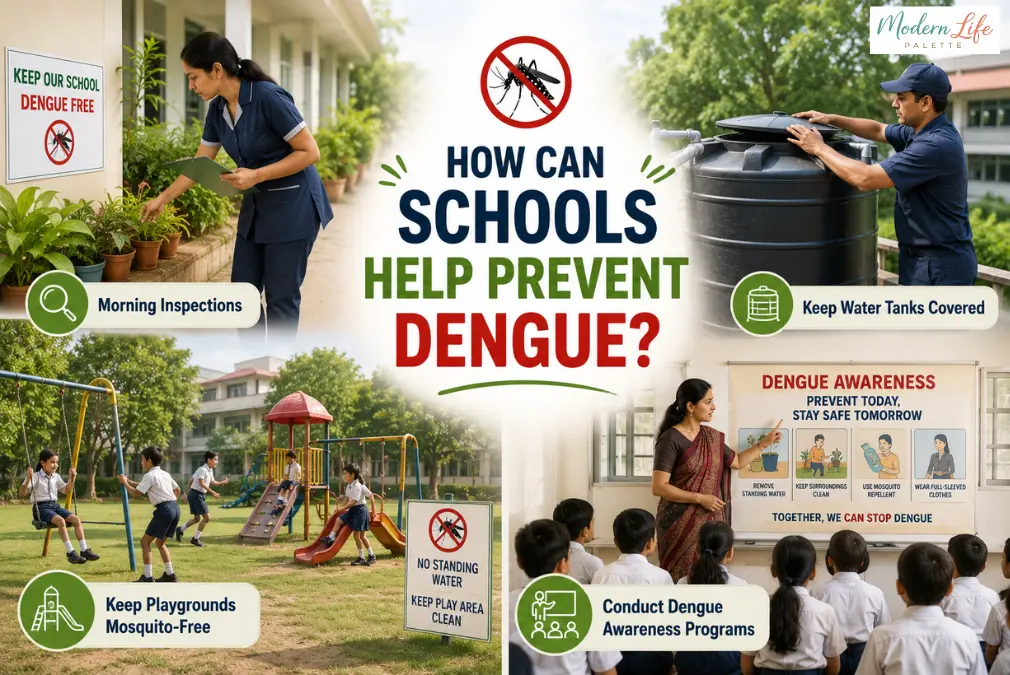
Morning Inspections
Start each day with a quick check of the school premises, especially after rainfall.
- Look for stagnant water around the campus.
- Remove water collected in containers, pots, or equipment.
- Report potential breeding spots immediately.
Keep Water Tanks Covered
Water storage tanks should be inspected regularly.
- Keep lids tightly closed.
- Check for leaks or standing water nearby.
- Clean tanks as part of routine maintenance.
Keep Playgrounds Mosquito-Free
Children shouldn’t have to worry about mosquito bites while playing.
- Remove water from slides, swings, and play equipment.
- Keep playgrounds clean and well-maintained.
- Ensure proper drainage after rain.
Conduct Dengue Awareness Programs
Creating awareness helps students become part of the solution.
- Teach children how dengue spreads.
- Encourage them to report stagnant water at school or home.
- Share simple dengue prevention tips through classroom activities and posters.
School Checklist: A mosquito-free campus starts with weekly inspections, clean surroundings, covered water tanks, and informed students. Together, these simple steps support effective dengue prevention and control.
How Can Workplaces Help Prevent Dengue?
Dengue prevention isn’t just a responsibility at home. Offices and commercial buildings can also become mosquito breeding hotspots if water is allowed to collect. A few routine checks can help create a safer workplace for everyone.
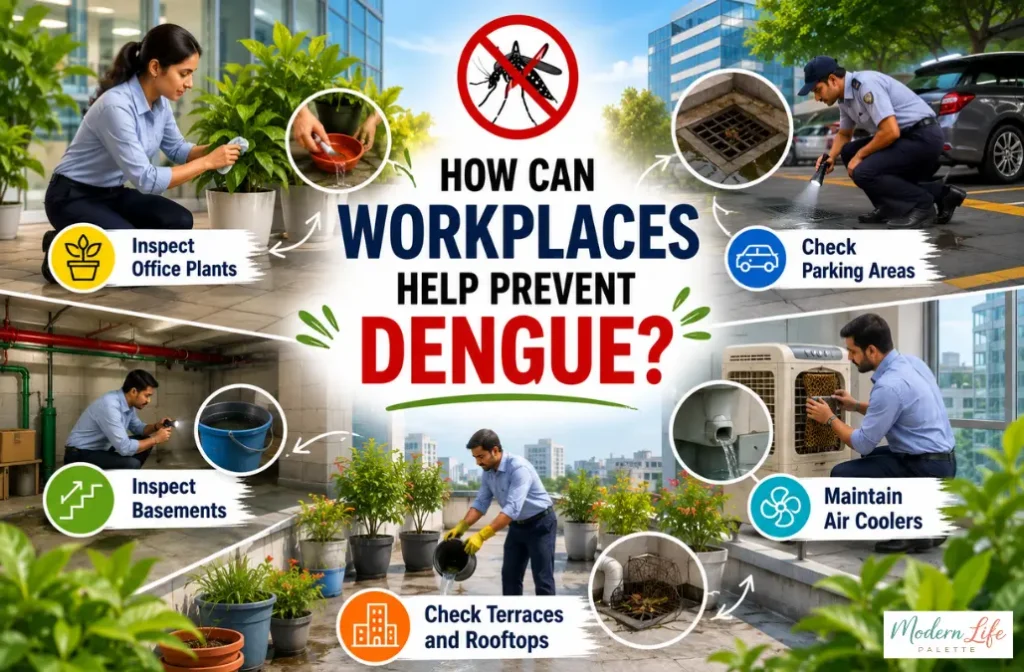
Inspect Office Plants
Indoor and outdoor plants can hold stagnant water.
- Empty water from plant trays regularly.
- Avoid overwatering plants.
- Clean decorative pots and containers.
Check Parking Areas
Parking lots are often overlooked during inspections.
- Remove water collected in old tyres or containers.
- Fix areas where rainwater tends to pool.
- Keep parking spaces clean and well-drained.
Inspect Basements
Basements can become damp and collect standing water after rainfall.
- Check for leaks or water accumulation.
- Ensure proper drainage.
- Keep storage areas clean and dry.
Maintain Air Coolers
Air coolers can become mosquito breeding sites if not maintained properly.
- Empty and clean water tanks every week.
- Change the water regularly.
- Cover coolers when they’re not in use.
Check Terraces and Rooftops
Open rooftops can collect rainwater without anyone noticing.
- Clear roof gutters and drains.
- Remove unused containers and equipment.
- Inspect the terrace after heavy rain.
Corporate Checklist: Include dengue prevention in your regular office maintenance routine. A clean workplace with no stagnant water helps protect employees and supports effective dengue prevention and control.
What Are the Most Common Myths About Dengue Prevention?
There are plenty of myths about dengue that can give people a false sense of security. Knowing the facts can help you take the right dengue precautions and protect your family more effectively.
| Myth | Fact |
| Dengue mosquitoes bite only at night. | Aedes mosquitoes are most active during the day, especially in the early morning and late afternoon. |
| Garlic can prevent dengue. | There is no scientific evidence that eating garlic prevents dengue or keeps mosquitoes away. |
| Dengue mosquitoes breed only in dirty water. | They commonly breed in clean, stagnant water found in buckets, flower pots, coolers, tyres, and water tanks. |
| One dengue infection gives lifelong protection. | You can get dengue more than once because there are four different dengue virus serotypes. Previous infection provides long-term protection only against the same serotype, not the others. |
| Herbal remedies can prevent dengue. | While some herbal remedies may support general well-being, none have been scientifically proven to prevent dengue. |
| Only children get dengue. | Dengue can affect people of all ages, including healthy adults. |
| Mosquito coils and sprays alone are enough. | They may reduce mosquitoes temporarily, but the best dengue prevention combines mosquito control with eliminating stagnant water and using personal protection. |
| You can catch dengue from an infected person. | Dengue does not spread through touching, hugging, coughing, or sharing food. It spreads only through the bite of an infected mosquito. |
What Are the Early Symptoms of Dengue That You Should Never Ignore?
Recognising the early signs of dengue can help you get medical care sooner and reduce the risk of serious complications. If you or a family member develops any of the following symptoms, especially after a mosquito bite or during the dengue season, don’t ignore them.
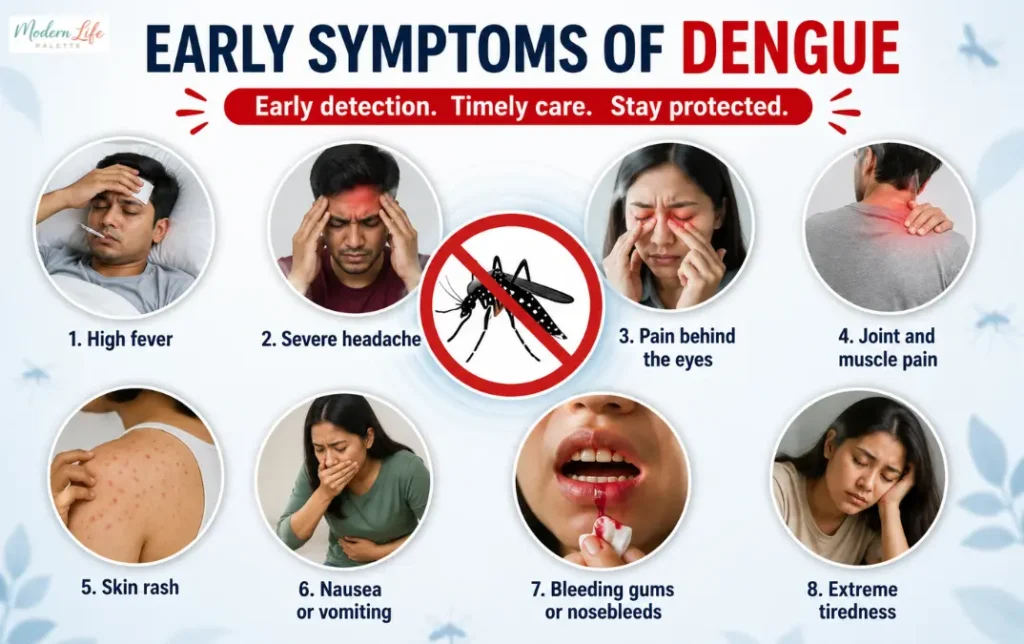
Watch out for:
- High fever that starts suddenly.
- Severe headache, especially around the forehead.
- Pain behind the eyes, which may worsen when moving your eyes.
- Joint and muscle pain, often described as intense body aches.
- Skin rash, which may appear a few days after the fever begins.
- Nausea or vomiting, especially if it continues.
- Bleeding gums or nosebleeds, which may indicate a more serious infection.
- Extreme tiredness or weakness that doesn’t improve with rest.
Don’t wait for all the symptoms to appear. A high fever combined with severe body pain, headache, or pain behind the eyes is enough to seek medical advice.
Seek Immediate Medical Attention If You Notice:
- Severe abdominal pain
- Persistent vomiting
- Difficulty breathing
- Blood in vomit or stools
- Unusual drowsiness, confusion, or restlessness
- Bleeding from the gums or nose that doesn’t stop
Want to know how dengue symptoms progress and which warning signs require urgent medical care? Read our complete guide on dengue symptoms.
What Should Your Dengue Prevention Checklist Include?
Preventing dengue doesn’t have to be complicated. A simple routine can help keep your home mosquito-free and protect your family throughout the year. Use this checklist as a quick reminder.
Daily Dengue Prevention Checklist
Make these habits part of your daily routine:
- Apply mosquito repellent before going outdoors.
- Wear full-sleeved clothing, especially during the day.
- Keep doors and windows closed or use mosquito screens.
- Empty any water collected in buckets, trays, or containers after rain.
- Watch for dengue symptoms such as high fever, severe headache, or body pain.
Weekly Dengue Prevention Checklist
Set aside 10–15 minutes every week to inspect your home.
- Empty and scrub buckets, flower pots, and plant saucers.
- Clean and refill air coolers with fresh water.
- Cover all water storage tanks and containers.
- Clear roof gutters and drains.
- Remove water from old tyres, bottles, and unused containers.
- Check your balcony, terrace, garden, and parking area for stagnant water.
Monthly Dengue Prevention Checklist
A monthly inspection helps identify hidden mosquito breeding spots.
- Deep clean overhead water tanks.
- Inspect mosquito screens for damage and repair if needed.
- Check basements, rooftops, and common areas for water accumulation.
- Trim overgrown plants and clear garden waste.
- Encourage neighbours or your residential society to carry out a community clean-up.
- Stay updated on local dengue advisories during the monsoon season.
Pro Tip: Save this checklist on your phone or print it and place it on your refrigerator. Spending just 10–15 minutes each week on dengue prevention can significantly reduce the risk of mosquito breeding around your home.
Conclusion
Dengue prevention starts with simple everyday habits. By eliminating stagnant water, protecting yourself from mosquito bites, and recognising early symptoms, you can significantly reduce the risk of dengue for yourself and your family.
Remember, preventing dengue isn’t just an individual effort – it’s a community responsibility. A few minutes spent checking your home each week can help stop mosquitoes from breeding and contribute to a healthier, safer neighbourhood. Stay alert, take the right dengue precautions, and encourage others to do the same.
Frequently Asked Questions
1. What is the best way to prevent dengue fever?
The best way to prevent dengue fever is to eliminate stagnant water, avoid mosquito bites, and use mosquito repellents, nets, and protective clothing.
2. Is there a vaccine for dengue fever?
Yes, dengue vaccines are available in some countries for specific groups, but they do not replace routine dengue prevention measures.
3. What are the 5S of dengue prevention?
The 5S of dengue prevention are Search and destroy, Self-protection, Seek early consultation, Support fogging, and Sustain cleanliness.
4. What food should you avoid during dengue?
Avoid alcohol, oily foods, processed foods, and sugary drinks, and focus on hydration and a balanced diet.
5. What are the 7 warning signs of dengue?
The seven warning signs include severe abdominal pain, persistent vomiting, bleeding, blood in vomit or stools, difficulty breathing, extreme drowsiness, and cold or clammy skin.
6. What are the 4 types of dengue?
The four dengue virus serotypes are DENV-1, DENV-2, DENV-3, and DENV-4.
7. Which organ is mostly affected by dengue?
The liver is one of the organs most commonly affected in severe dengue, although the disease can also affect other organs.
8. How many days will dengue last?
Most people recover from dengue within 1–2 weeks, while weakness may last longer.
9. Who is most at risk for dengue?
Infants, older adults, pregnant women, people with chronic illnesses, and those previously infected with a different dengue serotype are at higher risk of severe dengue.
10. Which mosquito spreads dengue?
Dengue is spread primarily by the Aedes aegypti mosquito and, to a lesser extent, the Aedes albopictus mosquito.
11. Can I get dengue twice?
Yes, you can get dengue more than once because infection with one dengue virus serotype does not provide lifelong immunity against the other three serotypes.